
Discover the Cornish Language
An online resource for anyone interested in learning Cornish. Explore our phrasebook, vocabulary guides, FAQs, and a comprehensive directory of learning resources — from books and dictionaries to online courses and organisations.
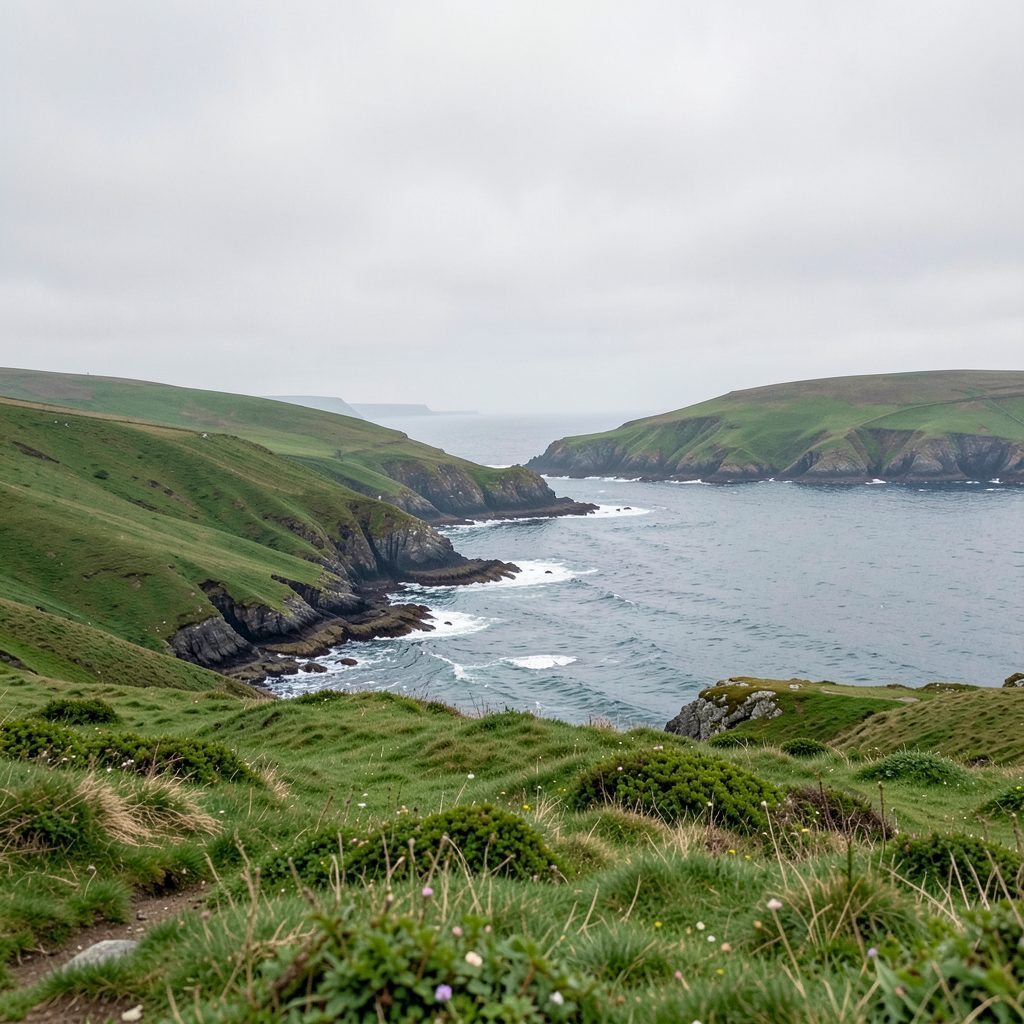
Helping Children Discover Cornish At Home
Teaching children a heritage language can begin with a few words woven into ordinary family life. Cornish offers a gentle entry into Celtic culture through greetings, songs, place names, stories, food, landscape and the history of Cornwall. Parents do not need to speak fluently before they begin; curiosity, consistency and a willingness to learn together matter more than perfect pronunciation.
For Australian families, learning Cornish can create a meaningful connection across distance. A child in Melbourne, Brisbane or Perth may have Cornish ancestry, enjoy Celtic music, or simply want to explore a language that is being revitalised by its community. Short activities fit naturally around school, sport, weekend markets and the familiar Australian habit of sharing relaxed family time outdoors.
The most successful approach treats Cornish as something to use rather than a subject to complete. A phrase at breakfast, a colour game in the car, a Cornish name on a map or a bedtime song can give the language a place in a child’s day. The comparison below helps parents choose a starting point that suits their child’s age and the family’s available time.
| Family situation | Useful starting point | Realistic rhythm | Main benefit |
|---|---|---|---|
| Preschool child | Songs, greetings and counting | Five minutes daily | Sound recognition and enjoyment |
| Primary-aged child | Games, labels and simple questions | Three short sessions weekly | Vocabulary and confidence |
| Teenager | Music, media and place-name research | One project weekly | Independence and cultural connection |
| Parent learning from scratch | Phrasebook and audio practice | One phrase at a time | Shared progress without pressure |
Why Cornish Fits Family Learning
Cornish is especially suitable for family learning because early progress can be visible. Children can quickly learn greetings, thank-you phrases, numbers, colours and the names of animals. These small achievements create a sense of capability before grammar becomes more demanding. Parents can learn the same material alongside their children, turning mistakes into a normal part of the process rather than something to hide.
The language also opens doors to the wider story of Cornwall. Children encounter Celtic heritage, mining communities, coastal life, saints’ names and local traditions through vocabulary. A family with Cornish ancestry can explore surnames and migration stories, while a family without that background can approach the language respectfully as a living part of Britain’s cultural landscape.
Keep the first goals concrete. A child might aim to greet everyone in Cornish for a week, identify five colours, or say the days of the week while getting dressed. Avoid presenting fluency as the immediate target. The early purpose is to build familiarity, positive associations and the habit of noticing language.
Build A Routine Around Real Life
A reliable routine works better than an ambitious timetable. Choose a regular moment that already exists, such as the school run, bath time or the walk to a local playground. In Sydney, a family might practise outdoor vocabulary during a trip to the beach; in Canberra, a parent could use weather words during a winter morning; in Darwin, the contrast between wet and dry seasons can inspire simple descriptive phrases.
Make the activity short enough to finish while the child is still engaged. Young children may respond to a greeting circle, a counting game or a song. Primary-aged learners can match Cornish words to pictures, label objects around the kitchen or keep a small vocabulary notebook. Older children may prefer to research a place name, create a bilingual playlist or compare Cornish with Welsh, Breton or English.
A useful weekly pattern might include one listening activity, one speaking game and one cultural activity. The cultural element could involve looking at a map of Cornwall, preparing a recipe associated with the region or learning about a traditional celebration. This variety prevents language practice from feeling like extra homework and gives children several ways to remember new terms.
Parents can also use ordinary household habits to reinforce learning:
- Put removable labels on five familiar objects.
- Use one Cornish greeting at breakfast.
- Count steps, fruit or toys in the target language.
- Finish the day with one recalled word.
Use repetition without making every session a test. If a child forgets a word, provide it naturally and continue the activity. Praise attention, participation and courage to speak. A warm response is particularly important when children are comparing their progress with classmates who may be learning more widely offered languages such as Japanese, Mandarin or Indonesian.
Make Sounds Meaningful
Pronunciation deserves attention from the start, but it should be approached playfully. Listen to a reliable recording, repeat short words together and focus on one sound at a time. Parents can record themselves and compare the result with a model, although children should not be made to perform for relatives or visitors before they feel comfortable.
Songs, rhymes and rhythm are powerful because they connect sound with movement. Clapping syllables, marching while counting or assigning gestures to phrases helps younger learners remember the shape of words. Older children may enjoy discovering how a phrase sounds in a song or short video. Cornish language resources connected with modern Cornish media can help families show that the language belongs in contemporary creative life, not only in historical material.
Stories provide another way to develop comprehension. Begin with illustrated scenes and repeat familiar expressions. Ask children to point, act or draw rather than translate every sentence. A parent might tell a tiny story about a dog, a boat or a trip to the market, using the same six or seven words several times.
Australian children also understand language through local experiences. A walk beside the Yarra, Swan River or Brisbane River can become an opportunity to discuss water, birds, wind and boats in Cornish. The setting does not need to resemble Cornwall exactly; the point is to attach new language to something the child can see, touch and remember.
Choose Materials And Digital Support
A small collection of dependable resources is more useful than a crowded shelf. Start with a learner-friendly phrasebook, a pronunciation guide, picture cards and a notebook. Online dictionaries and vocabulary pages can support individual words, while structured courses may help parents who want a clearer sequence. Parents should check whether a resource uses the same spelling and pronunciation conventions across its lessons.
Digital tools are valuable when an adult stays involved. Watch a short clip together, pause to repeat a phrase and talk about what the child noticed. Set a clear boundary around independent browsing, especially for younger learners. Australian families should also consider privacy under the Privacy Act 1988 when an app asks for a child’s name, voice recording, photograph or location. A simple offline activity is often the safer choice.
For families seeking regular instruction, local language schools, community organisations and online tutors may offer useful options. Availability can vary considerably between Melbourne, Adelaide, regional New South Wales and remote areas. When a tutor works directly with children, parents should ask about experience, supervision and relevant state or territory requirements, including Working with Children Checks where applicable.
A resource does not need to be designed specifically for Australian learners to be useful. However, examples should be adapted to the child’s world. Replace an unfamiliar winter scene with a local beach, bush track or tram ride while keeping the target vocabulary. A Cornish maritime vocabulary resource, for instance, can support a family discussion about sea language after a visit to the coast or a harbour.
Keep The Language Connected To Family Life
Children continue with a language when it has emotional meaning. A family tree, a grandparent’s story, a holiday memory or a shared interest in music can give Cornish a personal purpose. If a child has Cornish heritage, invite relatives to contribute photographs, surnames or migration stories without treating ancestry as a requirement for belonging.
Projects work well for children who need a visible result. A younger learner could make a bilingual picture book. A primary-aged child might create a map with Cornish place names and Australian locations that matter to the family. A teenager could produce a short audio diary, investigate language revival or compare the role of Cornish with community languages spoken in Australia.
Australian education settings may not routinely offer Cornish through a school timetable. State and territory systems differ, and the Australian Curriculum does not mean that every language is available in every school. Families should therefore treat home learning as a flexible cultural activity rather than assume it will count as a formal school subject. If a child is enrolled in distance education, homeschooling or a community language program, parents can discuss documentation requirements with the relevant education authority before presenting Cornish as part of a formal learning record.
Helpful Ways To Sustain Interest
- Let the child choose between a song, game or story.
- Display progress through a wall chart or shared notebook.
- Connect new words with cooking, gardening or travel.
- Celebrate effort instead of correcting every error.
Keep expectations realistic during busy periods. A family may practise daily during school holidays and reduce sessions during exam time, sports finals or a move between cities. Returning after a break is easier when the routine has been friendly and manageable rather than associated with guilt.
The most useful first step is simple: tonight, choose one Cornish greeting, write it beside the kitchen door, and use it together at breakfast tomorrow.
Stay connected with the Cornish language community.