Discover the Cornish Language
An online resource for anyone interested in learning Cornish. Explore our phrasebook, vocabulary guides, FAQs, and a comprehensive directory of learning resources — from books and dictionaries to online courses and organisations.
Talking About Holidays and Festivals in Cornish
Cornish, or Kernewek, carries the imprint of centuries of seasonal gatherings along the Atlantic coast of Britain. As learners across Sydney, Melbourne, and Brisbane pick up the language through evening classes or weekend workshops, the vocabulary of holidays and festivals often becomes one of the first rich cultural layers they explore. Speaking about festive occasions in Cornish opens a doorway onto the Celtic calendar, where feast days, saints' commemorations, and solstice gatherings each carry their own names and traditions.
For learners based in Australia, blending Cornish festive vocabulary with local celebrations creates an interesting bridge. Australian summers bring Christmas barbecues at Bondi Beach, chilly autumn mornings line up for the Melbourne Cup in November, and January marks the public holiday for Australia Day under the Fair Work Act. The Celtic festival names can sit alongside these local realities, giving students fresh angles on familiar occasions.
Building a Core Vocabulary for Festive Occasions
Every learner needs a foundation, and Cornish provides several root words for talking about holidays and festivals. The most versatile is gorthugher, meaning a holiday or festive period. A related word, gwyl, refers specifically to a feast day or festival day, while gweyth can describe a fair, festival, or celebration more generally. These three words together allow learners to refer to almost any kind of public observance.
Other essential terms include lowen (happy), gala (a borrowed term now used for modern festivals and fairs), and dydh (day). Adding these together, learners can construct phrases such as dydh gorthugher (holiday day) or dydh gwyl (feast day). For larger public occasions, penngwyl refers to a principal feast or important day, mirroring bank holidays or major celebrations. Becoming familiar with this core cluster makes the rest of the vocabulary easier to absorb.
Cornish Names for the Calendar of Festivals
Cornish has preserved and adapted names for the major festivals of the calendar. Nadelek refers to Christmas in the formal sense, while Gool describes the traditional Yuletide festival as celebrated in Cornwall. The winter season, Gwav, encompasses many of these observances, and Jowl appears in older texts for Yule. Spring brings Pask, the name for Easter, and the warmer months hold Dydh Mai (May Day).
Summer includes An Gwithyas, the bonfire traditions that survive in mid-Cornwall villages around the turn of the year. Kalann signals the turning of the year, and New Year's Eve carries the distinctive name Noson Kalan, the night traditionally marked by mumming plays and processions in towns like Padstow and St Ives. Each of these terms carries cultural weight that goes well beyond a literal translation, so students should learn the surrounding customs as well as the words.
Traditional Cornish Feasts and Their Saintly Origins
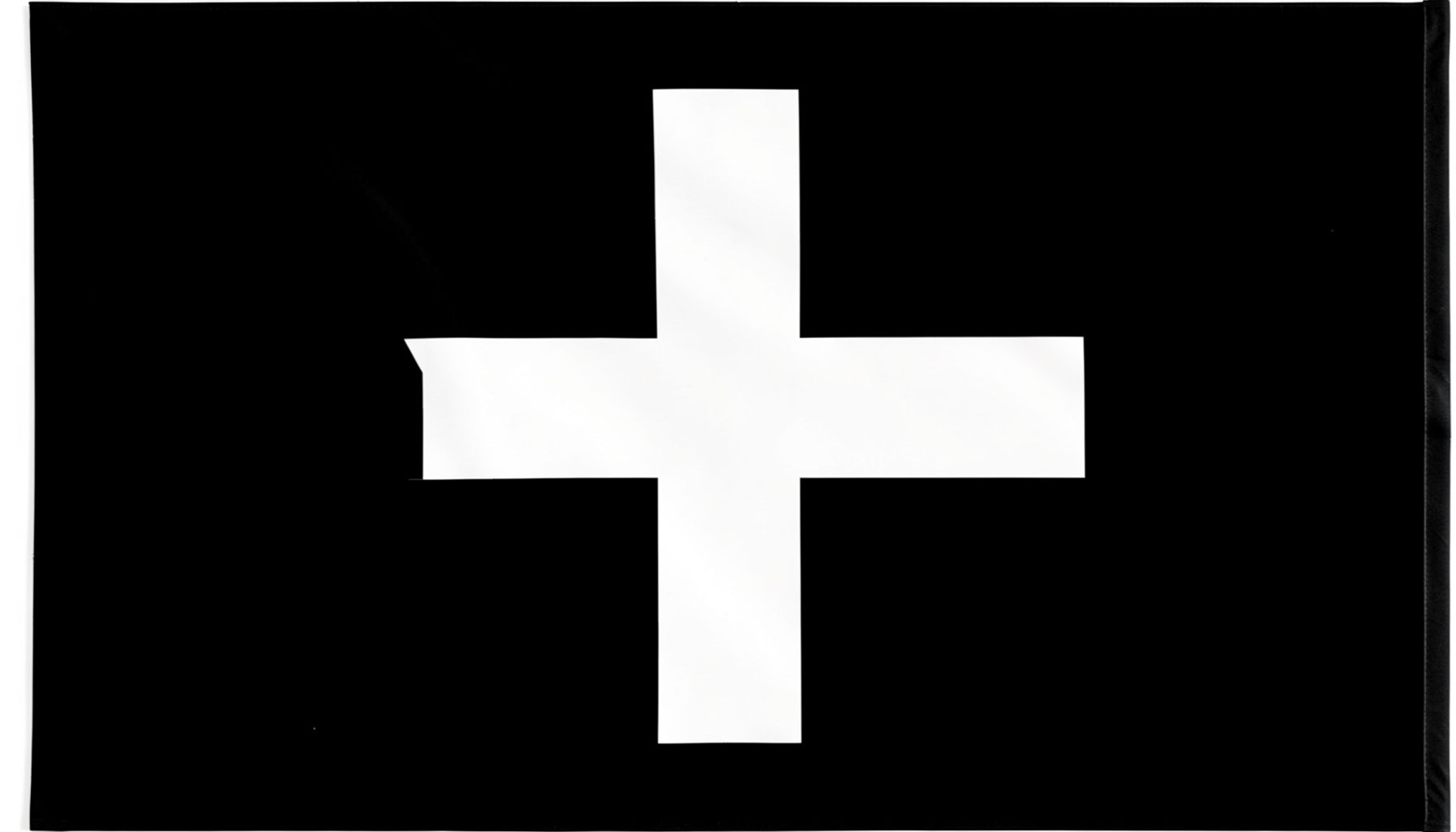
Saint days form a backbone of the traditional Cornish festival calendar. Dydh Sen Peran (St Piran's Day) on 5 March is the national saint's day and is celebrated with parades, pasties, and the flag of St Piran. Many towns have their own patron saints, leading to local feast days like those at Launceston, Bodmin, and St Just. The vocabulary pattern Gwyl Sen followed by the saint's name allows learners to discuss these local celebrations accurately.
Beyond the saints, agricultural markers such as Hen Galan (Old New Year, observed on 1 March) preserve older Celtic rhythms of the year. The mummers' plays of Noson Kalan often feature characters like An Gulyan (the hobby horse) at Padstow's May Day celebration. These traditions differ from Australian cultural events, yet they share a common thread: gathering the community around seasonal markers. Studying these names helps learners appreciate the depth behind words that might otherwise seem like simple labels.
Discussing Australian Festive Traditions in Cornish
Cornish holiday vocabulary can stretch gracefully to cover Australian occasions, even though the climate and context differ markedly. Australia Day on 26 January is observed as a public holiday in every state and territory under the Fair Work Act, with celebrations around Sydney Harbour drawing massive crowds each year. For learners, describing such events can use gorthugher bras (major holiday) or penngorthugher leveryans (national public holiday).
ANZAC Day on 25 April holds solemn significance, and Cornish speakers might describe dawn services in Canberra or Brisbane using phrases like servyas an gorthuer (the dawn service). Christmas arrives in the middle of summer in Australia, and Nadelek ha'n haf (Christmas and the summer) is a useful phrase for capturing the seasonal contrast that surprises many visitors. The Melbourne Cup on the first Tuesday in November, recognised as a public holiday in Victoria under state law, can be referred to as Gala Melbourne (the Melbourne Festival or Cup gathering).
Discussing these occasions in Cornish gives learners fresh linguistic tools. Phrases like pub lowena dhe'n Gwithyas (everyone happy at the bonfire) adapt naturally when reframed around Australian public holidays, where the gorthugher is simply the occasion itself. Some learners, especially those with family ties to Cornwall, find that bilingual celebrations work well: Cornish songs for the dawn service, English verses for the footy.
Useful Phrases and Sentence Patterns for Special Occasions
Putting vocabulary into practice requires sentence patterns. Greetings such as Gorthugher da dhis (happy holiday to you) and Lowen Nadelek dhis (Merry Christmas to you) work for cards and messages. Asking about favourite holidays takes the form Pyth yw dha gorthugher da? (what is your favourite holiday?). Replies might include An gool (the Yuletide) or Dydh Sen Peran (St Piran's Day).
Family-related conversations flow easily from festive contexts. Phrases about gathering relatives for Nadelek (Christmas) connect naturally to broader family member vocabulary, which can help learners discuss who attends which celebration. School children across Australia enjoy varying term breaks tied to state education calendars, and discussing these trips often involves the Cornish school terms taught elsewhere in the curriculum.
For complex questions about festival vocabulary, learners can find helpful answers through the site's frequently asked questions page. Other useful sentence patterns include Ottomma yw ow huni (here we are celebrating), An gorthugher a dheuth ha lowena (the holiday came with joy), and Pyth a wrenni dhe'n gool? (what do you do at Yule?). These structures can be combined with specific vocabulary to discuss almost any festive occasion in Cornish, whether the calendar marks Celtic traditions or local Australian public holidays.
| Cornish | English | Notes on Use |
|---|---|---|
| Gorthugher | Holiday | General term for any festive period |
| Gwyl | Feast day | Often used for saint's days |
| Gweyth | Festival | Includes fairs and gatherings |
| Nadelek | Christmas | Formal name for the Christmas season |
| Gool | Yule | Traditional midwinter festival |
| Pask | Easter | Spring festival |
| Dydh Sen Peran | St Piran's Day | National saint's day, 5 March |
| Noson Kalan | New Year's Eve | Mummers' plays tradition |
| Penngwyl | Principal feast | Major celebratory day |
Cornish holiday vocabulary ultimately reflects a worldview where each season, saint, and gathering carries its own name and meaning. The vocabulary travels well across hemispheres: a learner in Adelaide can use Nadelek in midsummer as easily as a learner in Truro uses it in December. The festivals matter less for their calendar position than for the language, the customs, and the connections they spark.
Studying these words alongside Australian festive traditions enriches both. The Cornish calendar of saints and seasons gains fresh context when set beside Australian public holidays under the Fair Work Act, and the local gatherings gain renewed colour when seen through Celtic linguistic eyes. The next time a learner in Perth, Hobart, or anywhere else across Australia reaches for a phrase about a holiday, the words of Cornwall may be ready and waiting.
Stay connected with the Cornish language community.