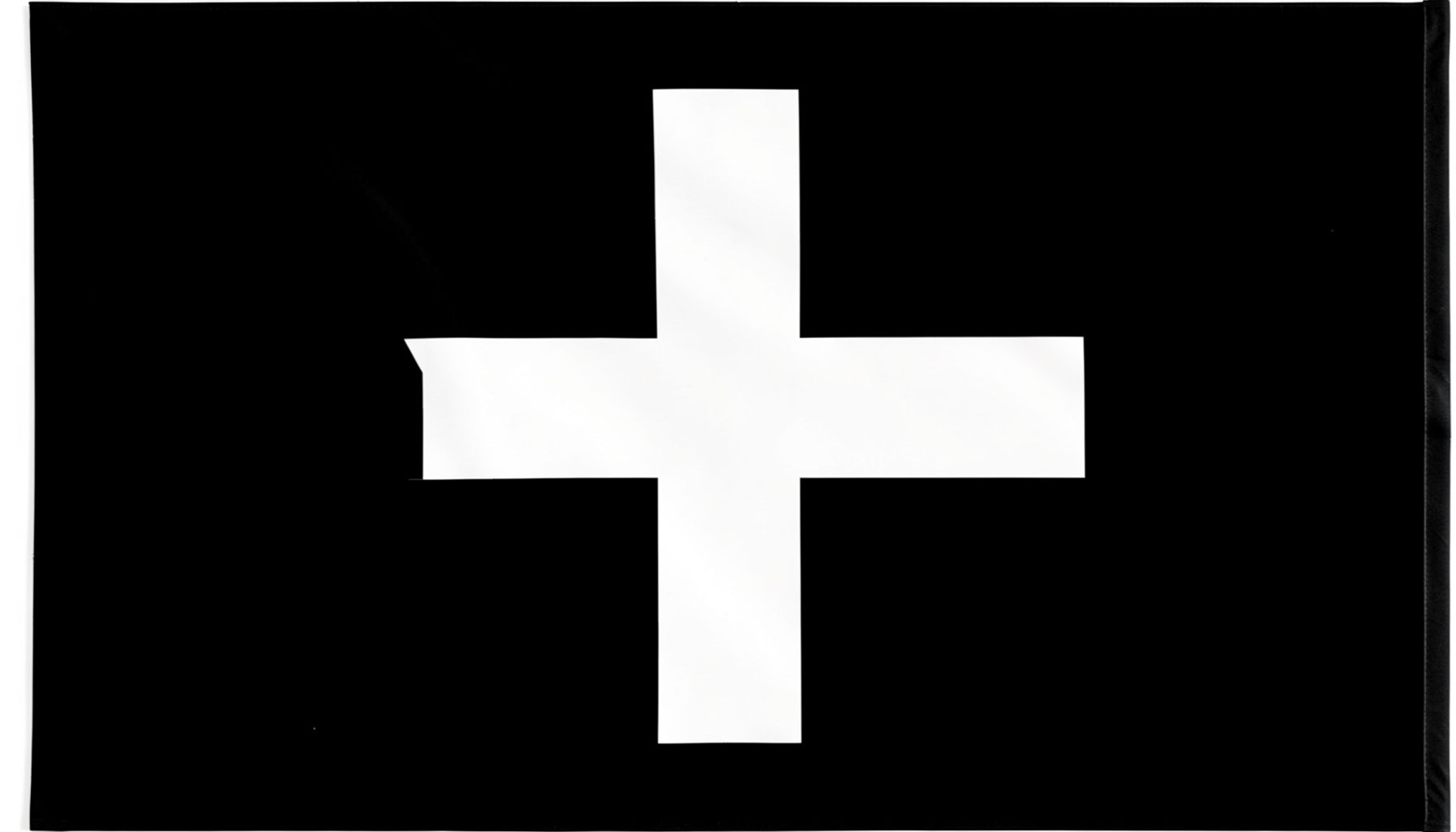
Discover the Cornish Language
An online resource for anyone interested in learning Cornish. Explore our phrasebook, vocabulary guides, FAQs, and a comprehensive directory of learning resources — from books and dictionaries to online courses and organisations.
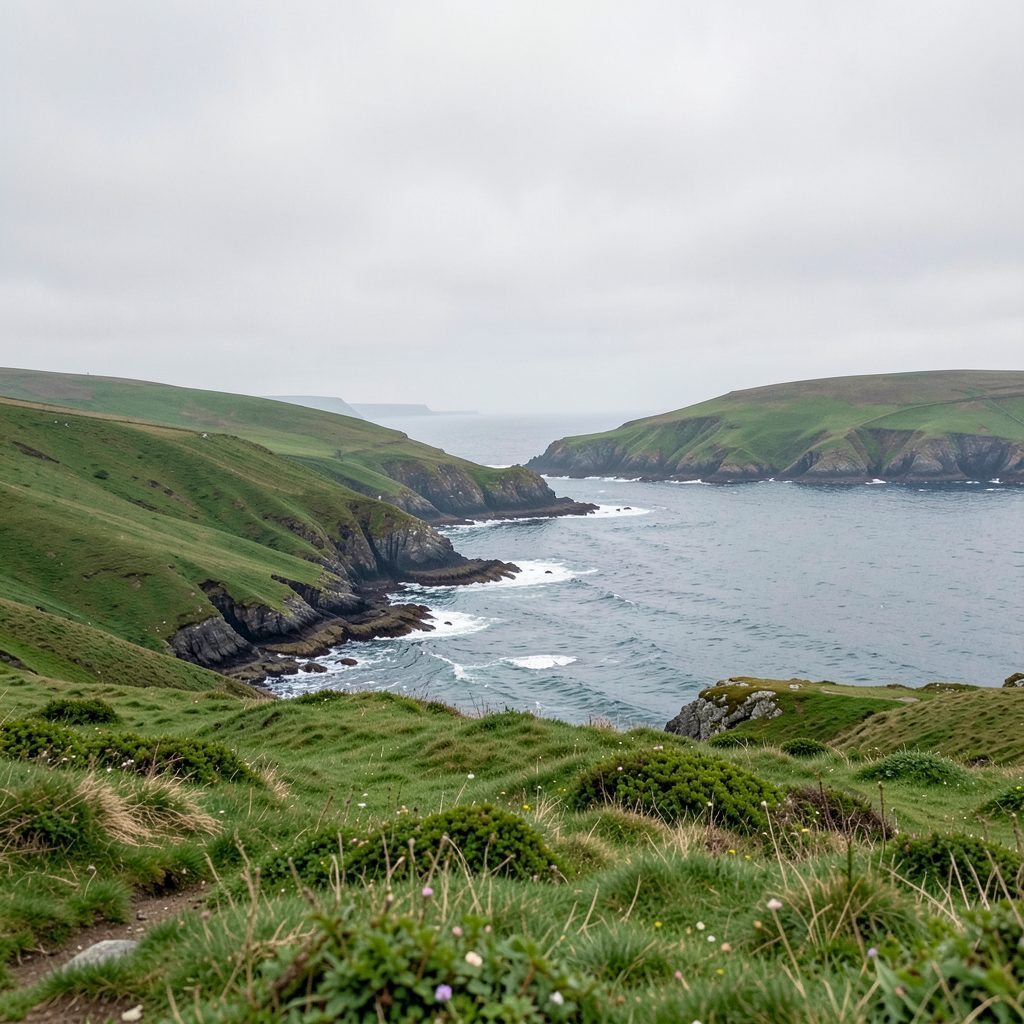
Cornish Language for Beginners: Your First 100 Words
Learning a Celtic language can begin with a surprisingly small vocabulary. The first 100 Cornish words give you enough material to greet people, describe everyday things, ask simple questions and recognise familiar names across Cornwall. They also provide a foundation for understanding Cornish grammar and pronunciation.
Cornish, or Kernewek, is a revived language of Cornwall in the south-west of Britain. It belongs to the Brythonic branch of the Celtic languages, alongside Welsh and Breton. For Australian learners, it offers a way to explore family history, Celtic culture and the language preserved in many Cornish place names.
This Cornish language for beginners guide uses a practical starter vocabulary rather than a long academic word list. Some terms below are compact phrases, because expressions such as “good day” and “thank you” are more useful at the beginning than isolated words.
The spelling and pronunciation of Cornish can vary between standard forms and learning traditions. Say each word aloud, listen to reliable recordings and keep a note of alternatives. A learner in Melbourne, Sydney or Hobart can make steady progress online, even when local classes are unavailable or held at inconvenient UK times.
| Learning stage | Useful focus | What you can do |
|---|---|---|
| First 10 words | Greetings and courtesy | Say hello, goodbye and thank you |
| First 25 words | People and actions | Introduce yourself and make simple statements |
| First 50 words | Objects and places | Describe your home, town and surroundings |
| First 100 words | Questions, numbers and time | Build short exchanges and understand basic signs |
Begin With Sound And Courtesy
Start with dydh da, a friendly greeting that literally relates to “good day”. Meur ras means “thank you”, while mar pleg is “please”. A goodbye expression is kwedhes da, and drog yw genev can be used to express an apology. These phrases are worth learning as complete units rather than translating them word by word.
Cornish pronunciation rewards patient listening. Written vowels may not behave exactly as an English-speaking Australian expects, and consonants can change according to their position in a sentence. Do not worry about producing a perfect accent immediately. Aim first for a steady rhythm and clear syllables.
The background to Cornish explains how the language developed, declined as a community language and later experienced a significant revival. That history gives each beginner’s phrase extra meaning: you are learning a living heritage language supported by speakers, teachers, musicians and learners.
A Practical Bank Of 100 Words
The following starter bank combines individual words with a few short expressions. Forms may differ between resources, so treat it as a launchpad for study rather than a substitute for a current dictionary. The first 25 focus on people and common actions: mi (I), ty (you), ev (he), hi (she), ni (we), hwi (you plural or formal), i (they), ow (my), dha (your), agan (our), aga (their), yma (is/am/are), yw (is), bos (to be), gul (to do or make), dos (to come), mos (to go), gweles (to see), klywes (to hear), hwithra (to speak), desky (to learn), skrifa (to write), redya (to read), kana (to sing) and debri (to eat).
Words 26 to 50 describe familiar places, objects and movement: dour (water), bara (bread), kegin (kitchen), chi (house), skol (school), lyver (book), letr (letter), karr (car), tren (train), bus (bus), men (mountain), mor (sea), aber (river mouth or estuary), trev (town or settlement), ker (town or city), tir (land), bro (country), gorsaf (station), porth (harbour), park (park), tyller (place), amser (time), dydh (day), nos (night) and mis (month).
Words 51 to 75 help you describe things and talk about time: da (good), drog (bad), bras (big), byghan (small), nowydh (new), hen (old), ker (dear or beloved), gwrys (ready), lemmyn (now), hedhyw (today), morn (morning), gorthugher (afternoon), mynysen (year), wythnos (week), unn (one), dew (two), tri (three), peswar (four), pymp (five), hwegh (six), seyth (seven), eth (eight), naw (nine), deg (ten) and lowr (enough or plenty).
The final 25 let you ask and respond: piv (who), pyth (what), pele (where), pan (when), praga (why), fatla (how), py (how many), ya (yes), na (no), mar pleg (please), meur ras (thank you), dydh da (hello), kwedhes da (goodbye), drog yw genev (sorry), da lowr (all right), ha (and), hag (and before some sounds), a (of or from, depending on use), yn (in), dres (over or across), gans (with), rag (for), heb (without), ragha (because) and ken (also or again). Review these in example sentences, since small connecting words often have several grammatical roles.
Turn Vocabulary Into Short Sentences
Memorising 100 translations is less effective than using a few words repeatedly. Begin with patterns such as “I am…”, “This is…” and “Where is…?” Then substitute one new noun at a time. A learner might practise identifying a chi, lyver, karr or skol, followed by a simple description using da, bras or byghan.
Numbers are especially useful for Australians studying independently. They can help you talk about dates, prices and lesson times, whether you are joining a class from Brisbane after work or checking an online session from Perth in the morning. Keep a separate note showing the difference between Cornish time words and the English expressions you use every day.
Place names provide another memorable route into vocabulary. In Australia, people are accustomed to recognising Indigenous names, shortened suburb names and words carried from many migrant languages. Cornish names work in a related way: their elements may describe a river, hill, settlement or harbour. Learning the parts of a name can make a map feel more readable.
Make Study Work In Australia
The Australian market for language learning is strongly online, with learners spread across large cities and regional areas. A person in Adelaide may rely on a digital class, while someone in regional New South Wales may use recordings, downloadable material and occasional weekend workshops. The useful approach is to combine flexible independent study with regular contact with other learners.
Australian English also has its own everyday habits. You may say “arvo”, “brekkie” or “ta” in casual conversation, but begin Cornish with the standard forms you find in teaching resources. Comparing these registers helps you notice when a word is formal, familiar, old-fashioned or part of a fixed expression.
Use the Cornish learning resources directory to locate dictionaries, books, courses, music and organisations. Check whether a course lists Australian Eastern, Central or Western time clearly, and remember that daylight-saving differences can shift UK class times during the year. If you pay for a resource, confirm the price in AUD and look for access details before enrolling.
Online reading can also expose you to modern vocabulary beyond heritage topics. For example, an Australian learner may encounter commercial web language such as daily promotions while comparing translation styles. Treat such material as a chance to examine register and terminology, not as a replacement for a structured language course.
Build A Reliable Practice Routine
A short routine is easier to maintain than an ambitious study plan. Spend a few minutes reading words aloud, then write three sentences using vocabulary from the day. End by recalling the previous lesson without looking at your notes. This spacing helps move words from recognition into active use.
Useful habits for the first month include:
- Keep one page for greetings, courtesy phrases and introductions.
- Record yourself saying five new words, then compare them with trusted audio.
- Add each noun to a short phrase instead of studying it alone.
- Review numbers and time expressions at the same time each week.
Flashcards can support recall, but they should include sound and context. A card showing dour might also contain a short sentence, an audio recording and a picture of water. Rotate between Cornish-to-English and English-to-Cornish cards so that you practise both understanding and production.
A small notebook is particularly helpful when spelling variants appear. Write the form supplied by your teacher, add any alternative you find, and mark which one you plan to use. This prevents confusion while still allowing you to recognise Cornish in songs, place-name explanations and older publications.
Carry The First 100 Forward
Once the starter vocabulary feels familiar, add verbs and sentence patterns gradually. Learn how Cornish marks possession, questions and mutations, since these features explain why a word may look different in a phrase. A good beginner resource will show examples rather than asking you to memorise grammar rules without context.
Music and community activity can make the language feel social rather than purely academic. Listen for repeated phrases in Cornish songs, attend an online gathering or find a local Celtic event in Australia. A Welsh, Breton or Cornish cultural group may provide useful connections, although each language should be treated on its own terms.
Keep your first 100 words visible for several weeks. Read them aloud, use them in tiny sentences and revisit the same vocabulary while learning new material. The practical takeaway is simple: choose ten words, say them in context, review them tomorrow, and repeat until the language begins to feel familiar.
Stay connected with the Cornish language community.