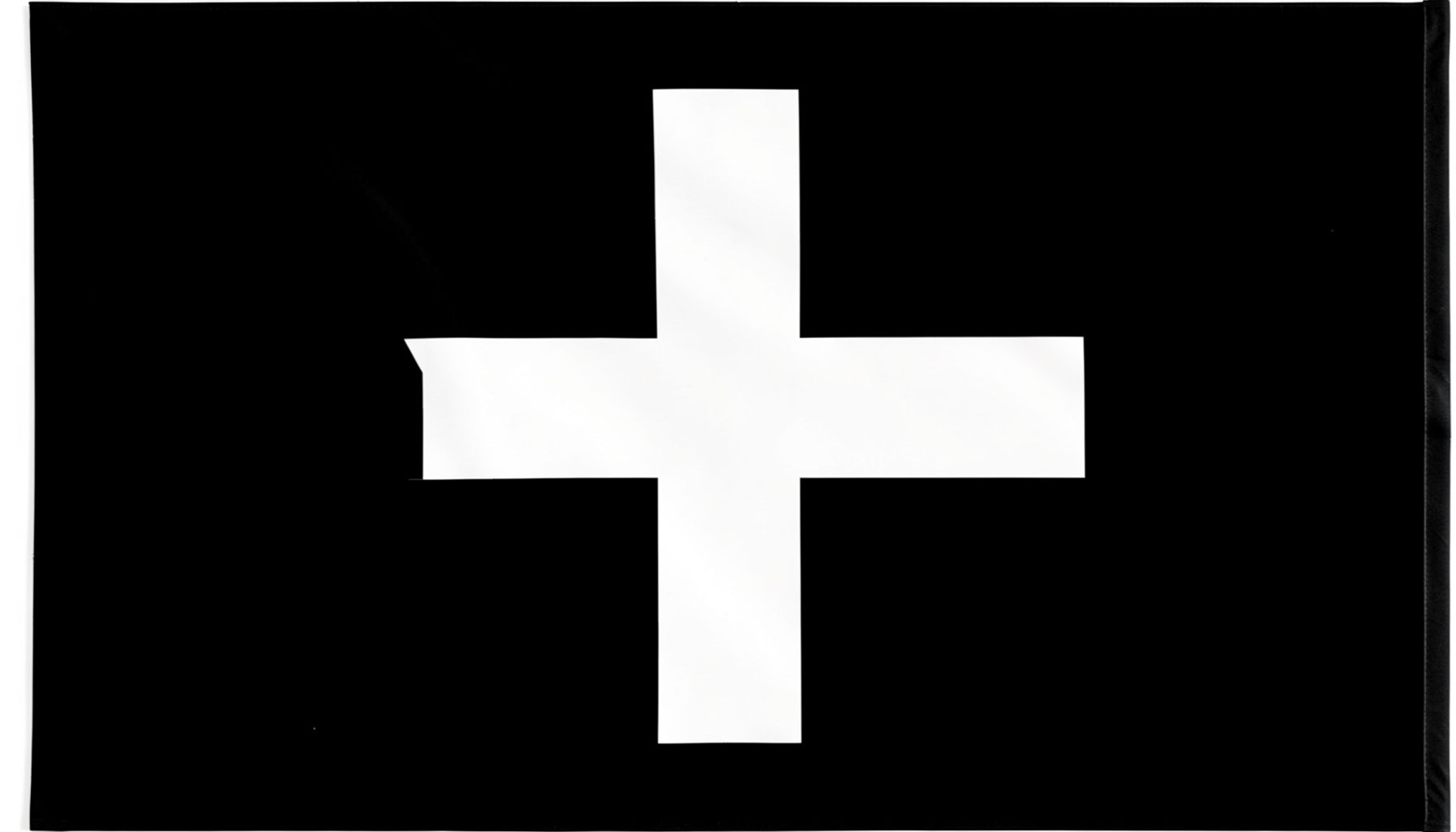
Discover the Cornish Language
An online resource for anyone interested in learning Cornish. Explore our phrasebook, vocabulary guides, FAQs, and a comprehensive directory of learning resources — from books and dictionaries to online courses and organisations.
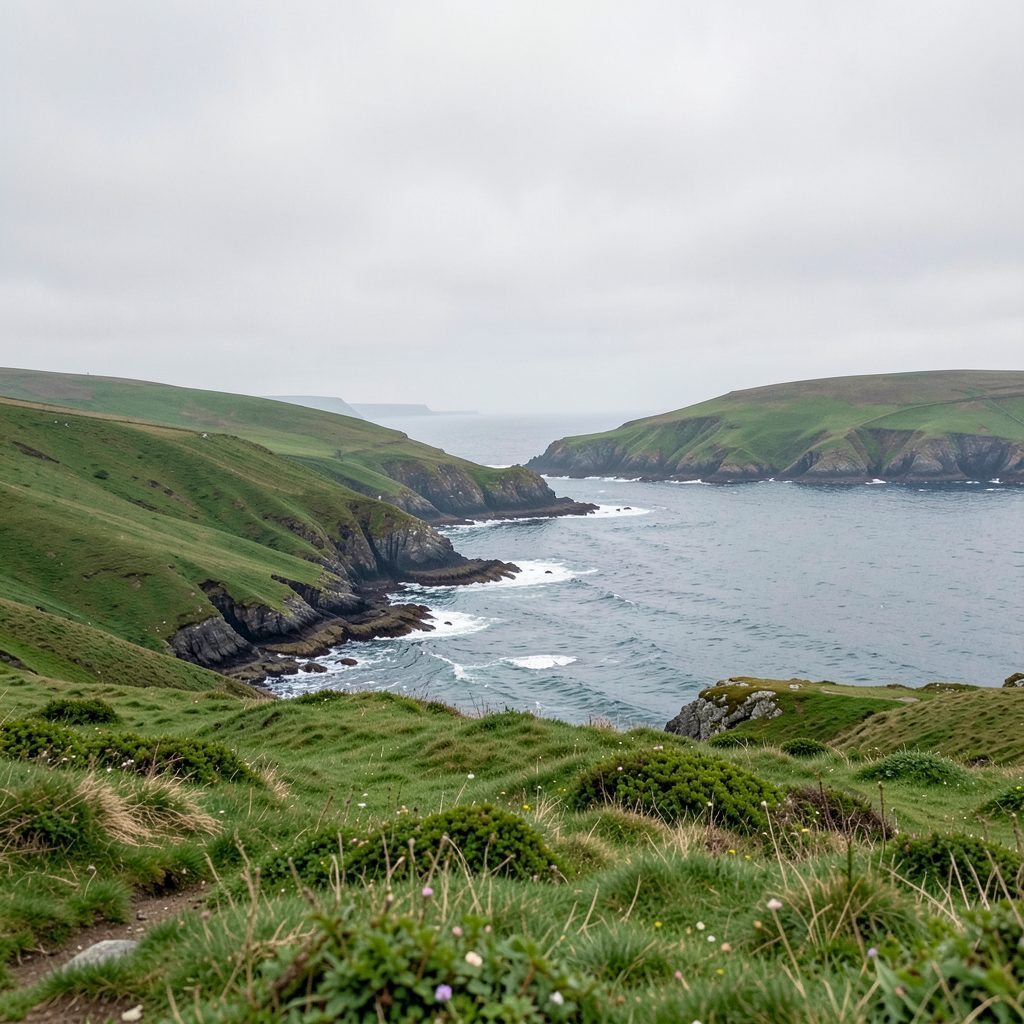
Cornish language and the Gorsedh: living heritage from Cornwall to the world
Across the cliffs of Cornwall and the copper heart of South Australia, a Celtic tongue keeps finding new voices. Kernewek, the Cornish language, has moved from near-extinction in the eighteenth and nineteenth centuries to a recognised minority language in the United Kingdom, with a growing band of learners scattered across the globe. Australia holds one of the largest Cornish diasporas outside Cornwall itself, and many Australians first meet the language through family stories, place names, or pasty traditions carried to places like Moonta, Ballarat, and Bendigo.
The Cornish Gorsedh is the cultural and ceremonial body that brings speakers, learners, and descendants together. Rooted in Celtic bardic tradition, it has shaped the revival of Kernewek since the early twentieth century. For Australians curious about Celtic heritage, understanding the Gorsedh offers a doorway into a living tradition rather than a museum piece, and a way to connect with ancestral roots while picking up new phrases along the way.
The Cornish tongue today
Kernewek belongs to the Brythonic branch of the Celtic family, sitting alongside Welsh and Breton. By the late 1700s it had lost its last fluent everyday speakers, though a handful of custodians kept fragments alive. The language began climbing back into public use in the early 1900s and gained recognition under the European Charter for Regional or Minority Languages in 2002. UNESCO now classifies it as a "critically endangered" language, but the trajectory has been upward, with new speakers emerging each year.
Revival efforts draw on reconstructed forms developed by scholars and enthusiasts. The Gorsedh plays a ceremonial role in marking progress, awarding bardic honours, and celebrating community milestones. For learners in Adelaide or Perth, this network feels surprisingly close, since many Australian Cornish societies share newsletters with their Cornish counterparts and welcome visitors to ceremonies held on both sides of the world.
History and purpose of the Gorsedh
The Gorsedh Kernow was established in 1928 at Boscawen-Ûn, near Penzance, by Henry Jenner and Robert Morton Nance. Jenner was a scholar who had argued for Cornish identity in his 1905 book Cornwall and the Cornish, while Nance became the chief architect of the revived literary language. Together they saw the Gorsedh as a means of honouring those who kept Kernewek alive and inspiring new generations to carry it forward.
Members are admitted through recognised contributions to Cornish culture, language, music, or scholarship. New bards take a Cornish name during an open-air ceremony that includes invocations, processions, and the symbolic offering of corn, wine, and oil. The Gorsedh meets annually at the Esedhvos, usually held in a different town each September. Its work complements language classes, festivals, and publishing, reinforcing the message that Kernewek belongs in everyday conversation as well as in ceremony.
The Cornish diaspora down under
Mining shaped the Cornish presence in Australia. In the 1840s and 1850s, thousands of "Cousin Jacks" sailed from Cornwall to work copper at Moonta and Kadina in South Australia, and gold at Ballarat, Bendigo, and Creswick in Victoria. They brought their language, their pasties, and their chapel traditions, and entire communities adopted Cornish surnames, Methodist hymn singing, and the distinctive flat pasty shape that survives in bakeries from Adelaide to Melbourne.
The South Australian towns of Moonta, Kadina, and Wallaroo are still called "Little Cornwall," and the Moonta Mines State Heritage Area preserves engine houses, miners' cottages, and a museum dedicated to the Cornish contribution. Local signage occasionally includes Kernewek phrases, and the Kernewek Lowender, the Copper Coast Cornish Festival, draws crowds who celebrate dance, food, and music every two years. Travellers from Sydney to Perth often stumble on Australian Cornish associations, pub quiz teams named after Cornwall, and quiet chapels where the language lives on in gravestones and family Bibles. For many Australians with Cornish ancestry, Kernewek is not foreign at all but a second family dialect waiting to be reclaimed. Those curious about how Cornish names survive in Australian places can explore a growing catalogue of Cornish place names that maps surnames, mining localities, and homesteads across the continent.
Sounds of Kernewek for English speakers
Cornish pronunciation rewards curiosity rather than perfection. The revived forms draw on medieval Welsh spelling, so a "c" before e, i, or y sounds like an English "k," while a "ch" is usually a softer hush. Diphthongs such as "ow" rhyme with "now," and the letter "s" between vowels takes on a "z" sound, which feels natural to Australian ears already used to voicing consonants in casual speech.
Beginners often hesitate over the rolled "r" and the unstressed final syllables that give Kernewek its Celtic lilt. A few phrases trip off the tongue faster than expected: Dydh da (hello), Lowan (good), and Keur lowen (happy heart, used as goodbye). Listening to recordings and reading aloud helps, and a beginner pronunciation guide gives practical tips for shaping vowels and consonants. Many learners in Australia practise in online study groups that meet across time zones, turning distance into a feature rather than a barrier.
Marking time in Kernewek
Time expressions reveal how a language views the world. Cornish uses a twenty-four-hour clock in formal settings, but everyday conversation favours phrases such as tervena-nons for "eleven o'clock at night" and dij-vesper for afternoon. Days of the week take names from celestial bodies and saints: Lun (Monday, Moon day), Meurth (Tuesday), Merher (Wednesday), Yow (Thursday), Gwener (Friday, Venus), Sadorn (Saturday, Saturn), and Sul (Sunday, Sun day).
Months blend Latin roots with older Celtic naming, producing Genver, Hwevrel, Meurth, Ebrel, Mae, Metheven, Gortheren, Est, Gwynngala, Hedra, Du, and Kevardhu. Learners often find these patterns intuitive once the rhythm clicks. A patient walk through talking about time in Cornish covers appointments, seasons, and idioms like a-barth an eur-ma (for the time being). In Australia, where distance education is common, online learners appreciate having these resources available around the clock, regardless of whether they are studying from Brisbane or Broome.
Three forms of modern Cornish
Revival has produced three recognised written standards, each with its own community of speakers. The table below compares their origins, features, and reach.
| Feature | Kernewek Kemmyn | Kernewek Kernewek | Late / Modern Cornish |
|---|---|---|---|
| Era developed | 1986 | 2006 | 1980s–2000s |
| Core model | Middle Cornish orthography | Late Cornish phonology | Late Cornish phonology |
| Spelling approach | Phonemic | Traditional, phonemic | Traditional, phonemic |
| Main users | Academic, ceremonial | Community schools, Gorsedh | Heritage learners, North America |
| Strengths | Consistent sound-symbol mapping | Pronounced close to historical speech | Familiar to those studying revived dialects |
| Challenges | Less intuitive spelling for newcomers | Smaller body of beginner texts | Limited institutional support |
Both Kernewek Kemmyn and Kernewek Kernewek hold official recognition in Cornwall. Late Cornish, sometimes called Pennsylvanian Cornish, retains speakers across the United States and Canada who trace their learning to Cornish emigrant communities. Most Australian learners begin with one standard and gradually explore the others, finding that the differences sharpen rather than confuse their sense of the language.
Engaging with the Gorsedh and beyond
The Gorsedh remains open to anyone who respects its values, whether they are fluent Kernewek speakers or first-time learners. Annual Esedhvos ceremonies welcome visitors to witness bardic inductions, hear recitations, and join in singing. Regional gorsedhyow hold local events in places like Truro, Newquay, and Redruth, and Cornish societies across Australia host talks, workshops, and weekend gatherings that echo the same themes.
For those wanting to participate more actively, the Gorsedh awards bardship through the Bards' Board to those who meet creative or scholarly standards. Many Australian contributors have submitted poems, translations, or research that led to recognition. Beyond the Gorsedh, learners can join Cornish language classes in Adelaide, study through correspondence courses designed for remote regions like the Australian outback, and travel to Cornwall for immersion weeks where they stay with host families in fishing villages along the south coast.
The Cornish Gorsedh stands as proof that language can return from the brink when communities decide to share it. For Australians with Cornish blood, Kernewek offers a thread back to ancestors who mined copper under the Southern Cross, sang hymns in stone chapels on the Yorke Peninsula, and raised pasties in kitchens from Ballarat to Bendigo. For everyone else, it offers a Celtic language worth learning, a bardic tradition worth watching, and a reminder that heritage stays alive whenever people choose to speak, sing, and write it into tomorrow.
Stay connected with the Cornish language community.