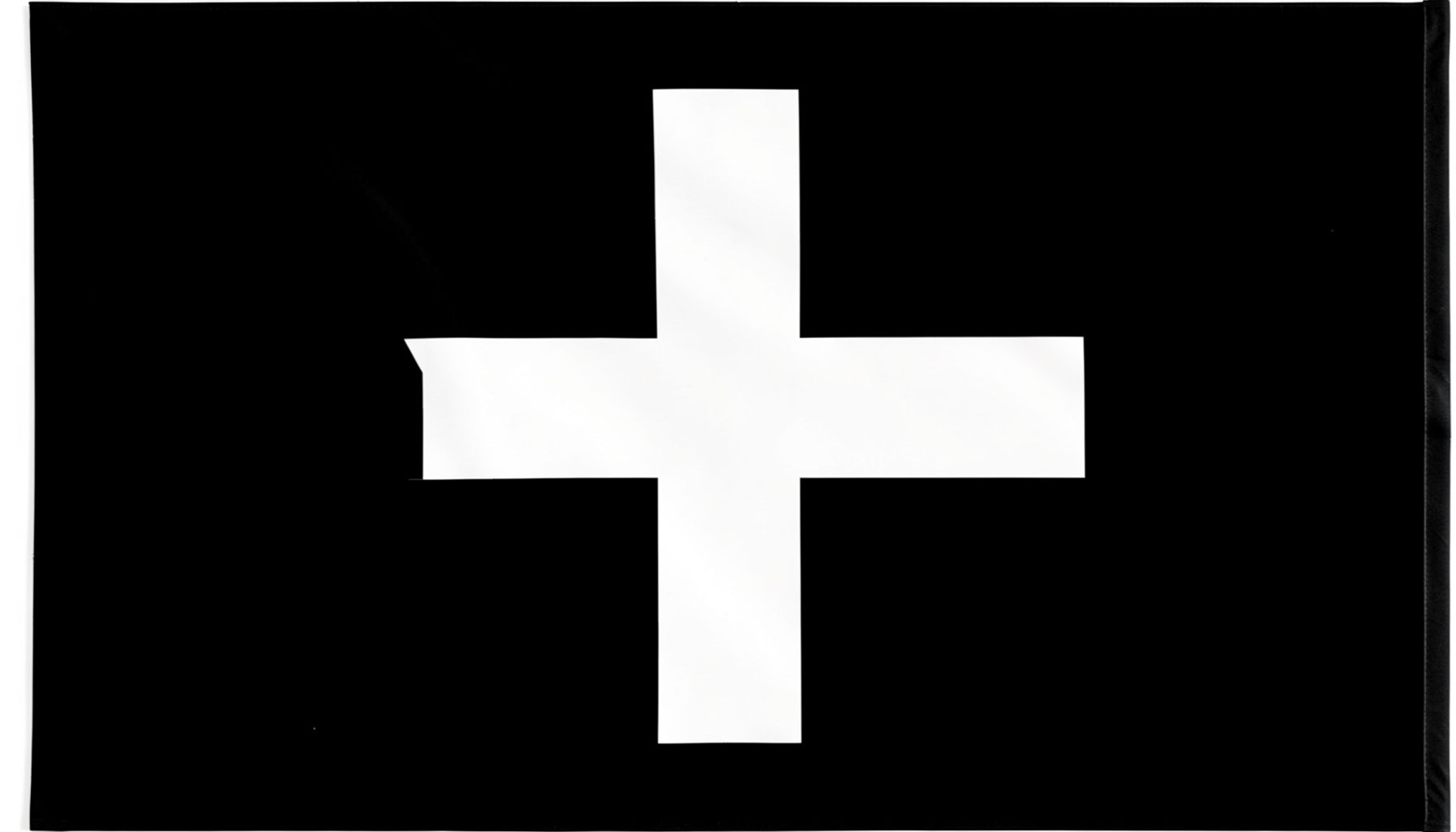
Discover the Cornish Language
An online resource for anyone interested in learning Cornish. Explore our phrasebook, vocabulary guides, FAQs, and a comprehensive directory of learning resources — from books and dictionaries to online courses and organisations.
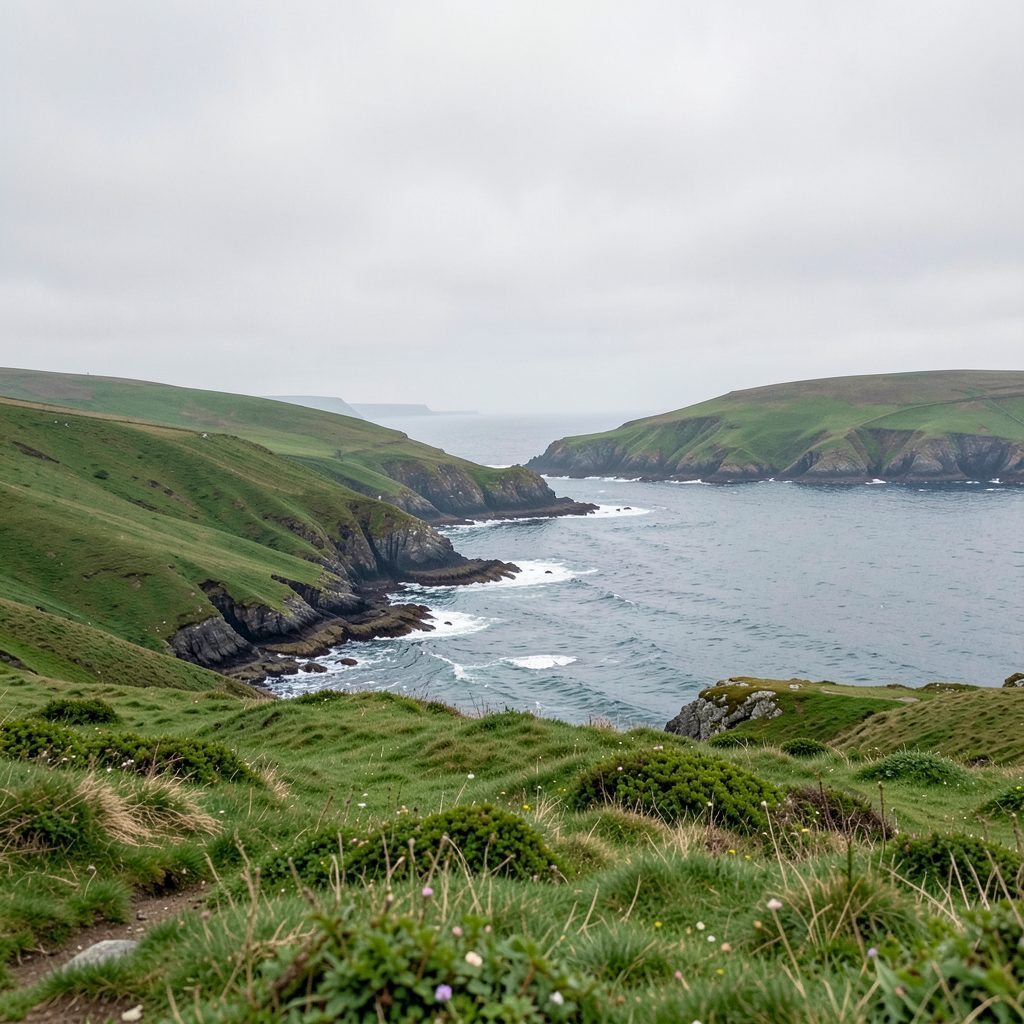
Cornish and the Celtic Language Family
Cornish belongs to one of the oldest language families still spoken across Europe. Known as the Celtic languages, this branch of Indo-European tongues once stretched from Ireland and Scotland through Wales, Cornwall, the Isle of Man, and across into Galicia in northwestern Spain. Today, the family is smaller but remarkably resilient, with six living languages and several revival movements that keep ancient forms of speech alive in modern homes, classrooms, and festivals.
The story of the Celtic languages is a story of survival. Centuries of political pressure, demographic shifts, and the dominance of English and French pushed many of these tongues to the margins. Yet communities in Wales, Ireland, Scotland, Brittany, the Isle of Man, and Cornwall have worked hard to keep their heritage languages vibrant. Cornish itself was declared dormant in the late eighteenth century but has been undergoing revival since the early twentieth century, gaining recognition as a living minority language.
For Australian readers, the relevance of Celtic languages goes beyond mere academic curiosity. The country is home to one of the largest populations of Irish and Scottish descent anywhere in the world, with strong cultural roots flowing through Melbourne, Sydney, and Hobart. Many Australians carry surnames, place names, and even fragments of song in their family heritage that hint at a Celtic past. Exploring languages like Cornish opens a window onto that ancestry, while also providing a fresh challenge for anyone who enjoys learning something different from the usual French or Italian options.
Modern learners in Australia often turn to online resources because of the vast distances between population centres. Whether you live in a coastal town in Western Australia or in a regional pocket of Queensland, accessing quality Cornish material usually means going digital. Resources like everyday Cornish vocabulary can give newcomers a practical starting point without leaving home.
Origins of the Celtic languages
The Celtic languages trace their roots to a common ancestor known as Proto-Celtic, spoken across much of central and western Europe around 1200 BCE. As iron-working cultures expanded, Celtic-speaking peoples moved into the British Isles, Gaul, and the Iberian Peninsula, eventually giving rise to two major branches. Linguists usually divide the family into Continental Celtic, now extinct, and Insular Celtic, which includes all the surviving languages.
Insular Celtic further splits into two groups. The Goidelic branch, sometimes called Q-Celtic, includes Irish, Scottish Gaelic, and Manx. The Brythonic branch, sometimes called P-Celtic, holds Welsh, Breton, and Cornish. The distinction comes down to a sound shift that happened sometime in the first millennium BCE, where an original kw sound became either a hard k, as in Irish, or a hard p, as in Welsh.
For learners, this split matters because it explains why Cornish and Welsh share certain grammatical features while Irish and Scottish Gaelic look quite different on the page. Cognates, loanwords, and even some grammatical constructions can be tracked across the family, giving linguists a fascinating puzzle to untangle and offering learners shortcuts between related tongues.
The six Celtic languages today
The six living Celtic languages are Irish, Scottish Gaelic, Welsh, Breton, Cornish, and Manx. Of these, Irish, Welsh, and Scottish Gaelic have the largest speaker communities, each with hundreds of thousands of speakers and strong institutional support. Breton remains vital in parts of northwestern France, though it faces pressure from French. Cornish and Manx are the smallest, both having undergone major revivals after being declared dormant.
Cornish and Manx share a striking similarity in their histories. Both nearly disappeared in the eighteenth and nineteenth centuries but have been brought back through grassroots efforts, language classes, and digital resources. Both have official recognition in their respective regions. Manx is recognised under the European Charter for Regional or Minority Languages, and Cornish gained similar recognition through the UK government's support of the language.
Welsh holds a strong position as the most institutionally supported Celtic language, used daily in schools, on road signs, and on television across Wales. Irish has a similar presence in Gaeltacht regions of Ireland, where it remains a community language. Scottish Gaelic enjoys strong use in the Outer Hebrides and growing support in the cities. Breton, Cornish, and Manx occupy smaller niches but maintain dedicated speaker communities and growing bodies of literature.
Where Cornish stands among Celtic tongues
Cornish, also called Kernewek, belongs to the Brythonic branch along with Welsh and Breton. It developed from Common Brittonic, the language spoken across much of southern Britain after the Roman period. By the Middle Ages, Cornish was the everyday language of Cornwall, used in homes, markets, and churches alongside Latin and eventually English.
The decline of Cornish accelerated with the English Reformation, the growth of trade links with English-speaking ports, and the eventual dominance of English in education. By the late 1700s, the last fluent traditional speakers had passed away. Revival efforts began in the early twentieth century, with a famous letter published in a Cornish newspaper in 1901 calling for the language to be restored.
The revival has produced several written forms of Cornish, including Kernewek Kemmyn, Kernewek Nowedha, and the Standard Written Form agreed upon in 2008. Each offers a slightly different approach, but all aim to recover the historical language while making it usable in modern contexts. Today, Cornish is taught in some Cornish schools, used in signage across Cornwall, and studied by enthusiasts around the world.
Sounds, words and grammar compared
Cornish shares many features with its Brythonic cousins, especially Welsh. Both languages use initial consonant mutations, where the first sound of a word changes depending on its grammatical role. Both mark plural nouns in distinctive ways and place definite articles after the noun in certain constructions. Vocabulary overlap is significant, with words for basic concepts often recognisable to speakers of either tongue.
Irish and Scottish Gaelic, by contrast, use fewer consonant mutations but rely on different grammatical structures, including VSO word order in some constructions and a system of grammatical gender. Manx, despite being Goidelic, shares some Brythonic features through centuries of contact with Welsh and English.
For English speakers, Cornish pronunciation is generally approachable. The language has a melodic quality, with stress patterns that fall naturally on the penultimate syllable of most words. Vowels often shift depending on their position, and consonant clusters are common. With practice, learners can quickly develop a comfortable accent, especially when supported by audio resources and online pronunciation guides.
Learning Cornish in Australia
Australian learners interested in Cornish often come to the language through family heritage, Celtic cultural events, or a love of linguistics. The country has a long history with Celtic traditions, with strong Irish-Australian communities particularly visible in Sydney's western suburbs and throughout Melbourne. Australian Celtic festivals, such as the Australian National Celtic Festival held in Portarlington, Victoria, draw thousands of visitors each year and often feature language workshops alongside music and dance.
Because Australia's geography makes in-person classes rare for niche languages like Cornish, most learners rely on online resources. Self-study materials, video lessons, and community forums have become essential tools. Phrasebooks offer structured introductions that help beginners start speaking quickly, and resources like practical phrase collections are particularly useful for travellers planning a trip to Cornwall or for those wanting to practise short conversations.
Australians learning Cornish also benefit from the broader Celtic revival happening across the Anglophone world. Online communities connect learners from Hobart to Perth, and shared events across time zones mean that even remote students can join virtual classes or conversation groups. The cultural exchange between Australia and the Celtic regions remains strong, supported by both heritage organisations and modern digital platforms.
Festivals, events and community life
Language and culture go hand in hand, and Cornish is no exception. Across Cornwall and beyond, festivals celebrate the language through music, poetry, storytelling, and traditional games. The Celtic harvest festival of Gool Peran Lowen, the Cornish language theatre scene, and annual gatherings in towns like Truro and Penzance draw visitors from across the UK and the wider Cornish diaspora, including communities in Australia, the United States, and Canada.
For Australians planning a visit, the Cornish calendar offers a rich programme of events throughout the year. Resources such as the Cornish festivals calendar list everything from small community gatherings to major cultural celebrations, helping travellers time their visits around the events that matter most to them.
Back home, Australians can engage with Cornish culture through local Celtic societies, heritage groups, and online events. Many Australian cities host Irish and Scottish festivals that occasionally include Cornish programming, given the shared Celtic heritage. Libraries in Melbourne, Sydney, and Brisbane have begun stocking Cornish language materials, recognising the demand from readers interested in Celtic linguistic traditions.
| Language | Branch | Speakers (approx.) | Region | Official Status |
|---|---|---|---|---|
| Irish | Goidelic | 180,000 daily, 1.8 million with some ability | Ireland | National language, official in EU |
| Scottish Gaelic | Goidelic | 60,000 daily | Scotland | Recognised minority language |
| Welsh | Brythonic | 880,000 daily | Wales | Official in Wales, UK |
| Breton | Brythonic | 200,000 with some ability | Brittany, France | Recognised minority language |
| Cornish | Brythonic | 600 fluent, several thousand with some ability | Cornwall, UK | Recognised minority language |
| Manx | Goidelic | 2,200 with some ability | Isle of Man | Official in Isle of Man |
The diversity across the Celtic language family shows what is possible when communities commit to keeping their heritage alive. Cornish, though small in numbers, holds an important place in this wider story. Its revival proves that even languages declared dormant can return through dedication, education, and cultural pride. For Australian readers, engaging with Cornish offers both a personal linguistic challenge and a way to connect with the broader Celtic world that has shaped so much of modern Australia. The memory worth holding is that every Celtic language carries centuries of history, and Cornish, despite being one of the smallest, stands as a powerful example of how language can be revived and reimagined for future generations.
Stay connected with the Cornish language community.