
Cornish — or Kernowek — is a Celtic language closely related to Welsh and Breton. Once the everyday tongue of Cornwall, it fell out of use in the 19th century. Today a growing community of speakers and learners is bringing it back, supported by organisations, publications, and a standardised written form adopted in 2008.
FAQs about Cornish
Answers to common questions about the Cornish language — its history, status, and how it is used today.
Browse FAQs →Why learn Cornish?
Discover the personal, cultural, and community reasons people choose to learn Cornish and join the revival.
Learn more →Cornish place names
Explore the meanings and origins of Cornish place names — from towns and villages to fields and coves.
Explore places →Phrases & vocabulary
Start using Cornish straight away with everyday phrases and vocabulary lists for learners at all levels.
Open phrasebook →A language with deep roots
Cornish developed from the Brythonic branch of Celtic languages and was widely spoken across Cornwall throughout the medieval period. By the 19th century it had ceased to be a community language, but written records, place names, and a determined revival movement kept it alive.
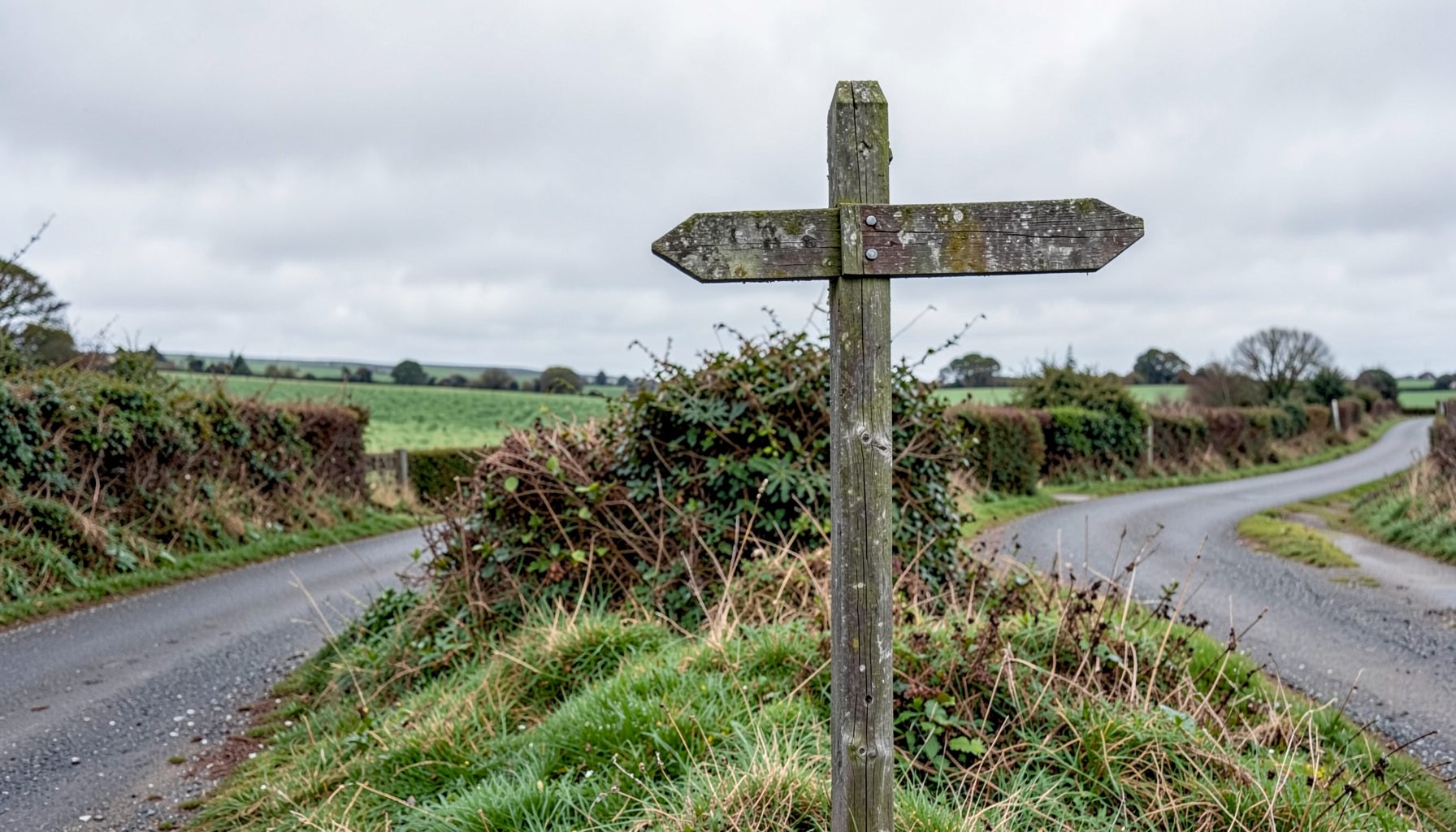
On 19th May 2008, the Cornish Language Partnership voted to ratify a standard written form of Cornish after two years of work, with a review planned for 2013. On 31st July 2009, Gorsedh Kernow voted overwhelmingly to adopt the Standard Written Form. In November 2009, Cornwall Council approved bilingual English–Cornish street signs across the county, and in January 2010 the first Cornish-language crèche opened at Cornwall College, Camborne.
The Cornish language, known as Kernowek in its own tongue, belongs to the Brythonic branch of the Celtic language family, making it a close cousin to Welsh and Breton. For centuries it was the everyday speech of Cornwall, though its use gradually declined until it fell silent as a community language in the nineteenth century. What followed was a remarkable story of revival. From the early twentieth century onward, dedicated individuals and organisations worked to reconstruct and re-establish the language, drawing on surviving texts, place names, and recorded fragments. Today, Cornish is recognised as a living language once more, spoken and studied by a growing number of people both within Cornwall and far beyond its borders.
People choose to learn Cornish for many reasons. For some, it is a way to reconnect with their heritage and the land their ancestors walked, finding meaning in the ancient names that still mark the Cornish landscape. For others, the appeal lies in learning a language that is rare, distinctive, and deeply tied to a particular sense of place. Cornish also offers a window into a rich literary and cultural tradition, from medieval mystery plays to modern poetry and song. Learners often discover a welcoming community of fellow speakers, with classes, conversation groups, and online resources making the language more accessible than ever before.
Cornish place names are among the most visible reminders of the language's enduring presence. Across Cornwall, towns, villages, hills, and rivers carry names that preserve elements of the old tongue, revealing meanings that have shaped the local identity for generations. Learning to read these names opens up a deeper appreciation of the landscape, showing how earlier speakers described their surroundings in practical and poetic terms alike. The revival of Cornish has also brought renewed attention to these place names, encouraging proper pronunciation and understanding. In this way, the language continues to live not only in conversation and writing but in the very geography of Cornwall itself.